
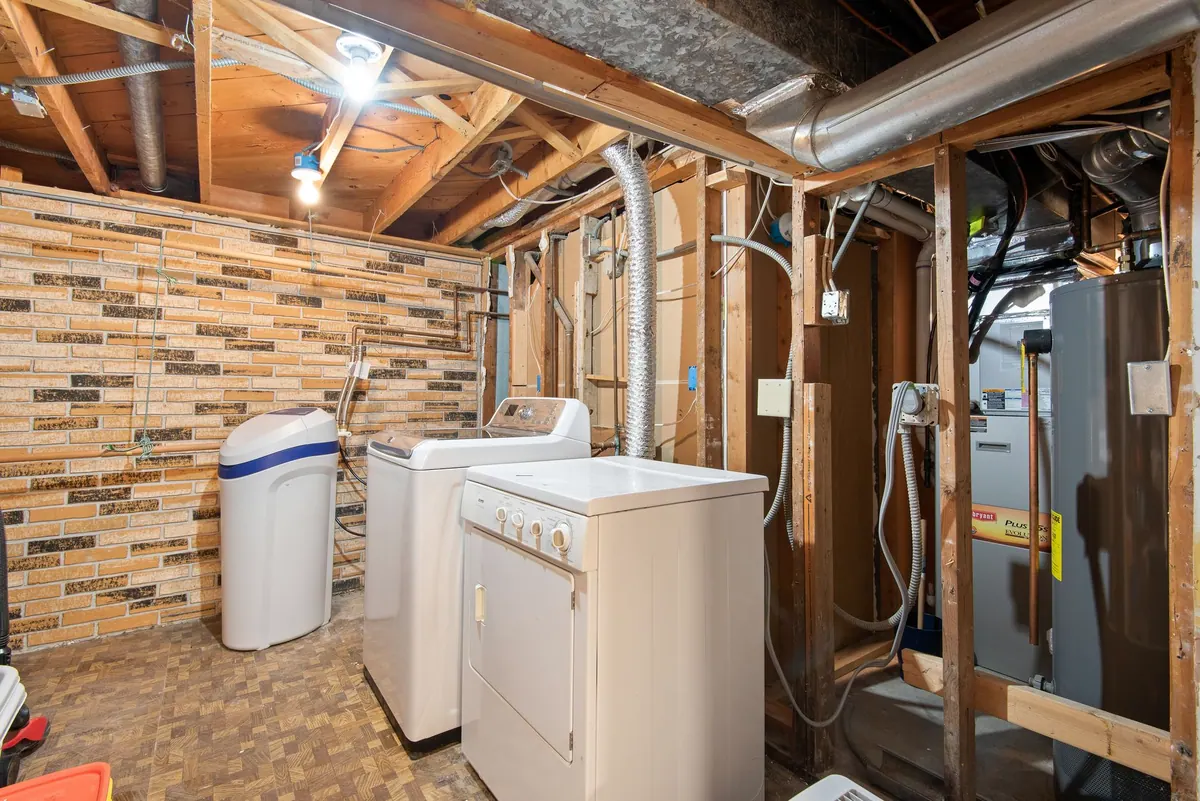
Water Heaters
Tank swaps and tankless, sized to the house, with a pan and a proper vent. We do this across Monmouth and Ocean County from Ocean Township. Call and we come look before we write the scope.
- 5.0 on Google
- Licensed #13VH09886800
- Phone answered 24/7
Water Heaters, on one written scope.
Tank swaps and tankless, sized to the house, with a pan and a proper vent.
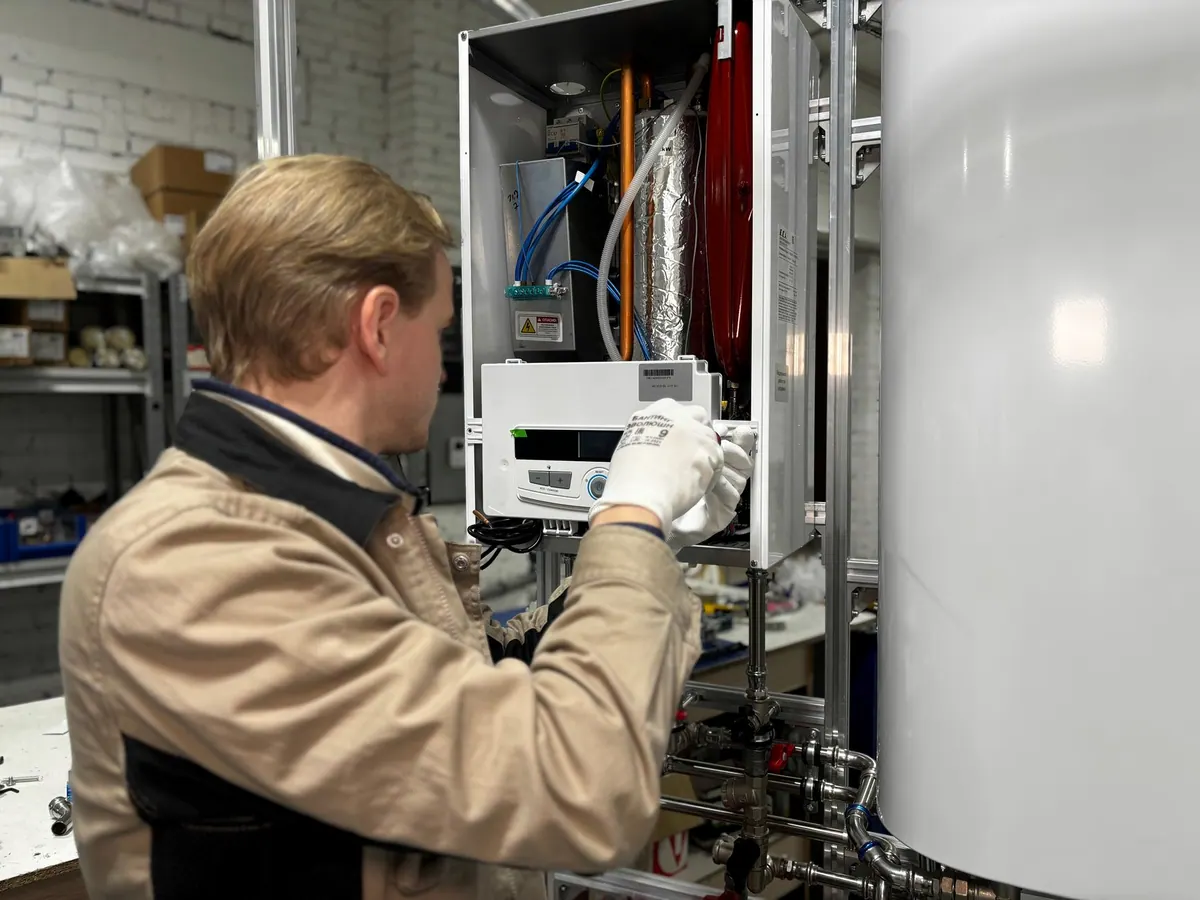
What’s included on a water heaters visit.
We inspect the cause, check what else it touched, and leave a written scope with materials and timing. The visit is free and there is no obligation to book the work.
What to know before the visit.
Have ready
Clear the area around the heater and give us access to the top, the flue, and the drain valve, and know where the main shutoff is. Have the pan drain line or a place for one in mind. The first three checks are the fuel type and the flue or vent size and slope, the water line material and the shutoff at the heater, and the space for combustion air and clearance to any stored items. We also check for a check valve, a PRV, and a thermal expansion tank.
- Like-for-like tank
- Expansion tank where required
- Pan and drain
- Haul-away
The visit
A tank swap includes a pan if the heater sits where a leak would ruin a ceiling, a shutoff that actually works, and an expansion tank when the house has a check valve or a PRV. The flue on an atmospheric heater has to draft. We do not vent a gas heater into a sagging single-wall pipe that pitches the wrong way.
Dielectric unions and a flush valve are the difference between a heater we can service and a heater that rots the nipples out in four years. Hard water in this county shortens tanks. We set the temperature and the anode plan in the note we leave, not as a speech.
Permit
A water heater replacement in New Jersey usually does need a permit, pulled under the plumbing subcode, with an inspection after the install. We do not treat that as optional. What normally does not need a permit is a service part on the existing heater, such as a new T&P valve, a thermocouple, an element, or an expansion tank where the heater itself is not being replaced. Gas work and the vent are part of the same permit. The town sets the requirement, not us.
On the Shore
Shore water and shore air both shorten a heater's life. Hard well or municipal water leaves scale on the bottom of the tank, and the flame or the element then works against an insulated layer of mineral, which is how a tank fails from the bottom up. Salt air rusts the jacket, the nipples, and the flue hood. In a house that is closed and cold for the winter, a heater in an unheated garage or crawl can freeze at the fittings. We use dielectric unions and a pan.
When we leave
Before we leave, the heater gets filled and the air purged at a fixture, then we light the burner or energize the element and watch it come up to temperature. We check the flue draft with the burner running and confirm the T&P valve and drain valve are not weeping. The temperature is set and the anode condition noted. You get the model and serial on the note, plus the date for the warranty. A new tank smells of the glass lining for the first hot water.
Built with
A tank heater gets a pan with a drain line, a dielectric union or a brass nipple at each connection, a flexible or rigid connector rated for potable water, and a T&P valve piped to within a few inches of the floor. Gas units get a listed vent connector and a drip leg. Tankless units need a proper vent, a condensate path, and isolation valves. An expansion tank goes on the cold side where a check valve or a PRV closes the system.
Tank or tankless?
Tank if the gas line and the vent you have are sized for it and you want a simple swap. Tankless if the gas line, the vent, and the condensate can be done correctly. A tankless on an undersized gas line is a cold shower.
How old is too old?
If the tank is past ten years and the water at the bottom is heavy with scale, we say so. We do not scare you off an eight-year-old heater that is clean and not leaking.
A leaking tank — can it be repaired?
A leaking tank, no. A leaking nipple or valve, sometimes. We look before we condemn it.
Do you haul it away?
Yes.
Permit?
Where the town requires one for a gas heater, yes.
Can you move the heater to another spot?
Sometimes, and it is a bigger job than a swap. It means new water lines, a new vent run, and often a new gas line, plus the permit for all of it. We look at the route and the vent before saying yes.
What temperature should I set it to?
One hundred twenty degrees is the usual setting, and it is where we leave it unless you ask otherwise. Hotter water scales the tank faster and raises the scald risk. If the house has a mixing valve, the tank can run hotter for capacity.
Do I need to flush it every year?
It helps, especially with the hard water on the Shore. Draining a few gallons off the bottom pulls sediment before it hardens. If the drain valve clogs or the water runs clear, annual flushing matters less. We check the valve while we are there.
Will you have to drain the whole house?
No. We shut the main or the heater valve, drain the tank and a few feet of line, and refill just the hot side. Air gets purged at a fixture. You may see a little discoloration at the tap for a minute, which is normal.
Other plumbing jobs we handle
Bathroom Remodeling
Baths from a new vanity and toilet up through tile, fan, and a shower that does not leak.
Clogged Drains
Kitchen, bath, and laundry drains. We cable the line before anyone talks about digging.
Faucets Install and Replace
Kitchen and bath faucets, including the shutoffs that have not moved in twenty years.
Garbage Disposals
Swap a seized disposal and reset the dishwasher tailpiece.
Tell us what is wrong. We will tell you what it takes.
(732) 333-7800- Call24 hours a day, 7 days a week
- Shop7 Brook Dr, Ocean Township, NJ 07712
- EmailInfo@wedoitallhandyman.com
- EstimateFree on-site look. Written scope before work starts.
Licensed & insured · NJ HIC # 13VH09886800
Free on-site look · No obligation