
Practical guides, not sales pages.
Repair guides, coastal maintenance checklists, and local answers from our licensed Monmouth & Ocean County company.
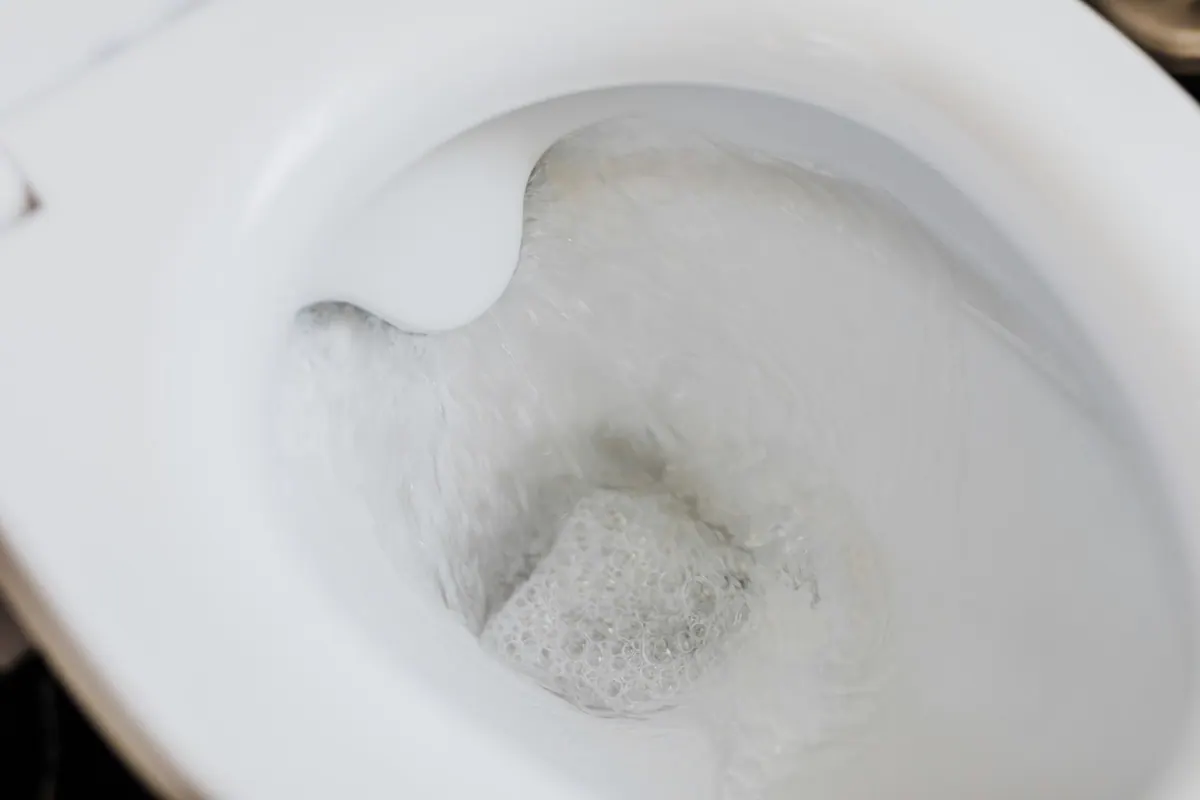
Why is my toilet running constantly? Common causes and fixes.
A running toilet can waste hundreds of gallons a day. Here is how to tell whether it is the flapper, the fill valve, or the seal.
Read article ↗
Preparing your gutters for NJ hurricane season.
A season-long checklist to keep storm water away from your foundation, from downspout extensions to the hangers that pull loose.
Read article ↗
Window replacement in Ocean Township: what to know.
Drafty or fogged windows? What drives the decision, what install day looks like, and where the savings actually come from.
Read article ↗
Labor Day outdoor prep checklist for Shore homes.
Decks, grills, lawns, and storm-season safety. A room-by-room list before the last summer weekend.
Read article ↗
Fence installation in Ocean Township & Monmouth County.
What to expect from a local fence install, from the property line and post footings to the gate that has to latch.
Read article ↗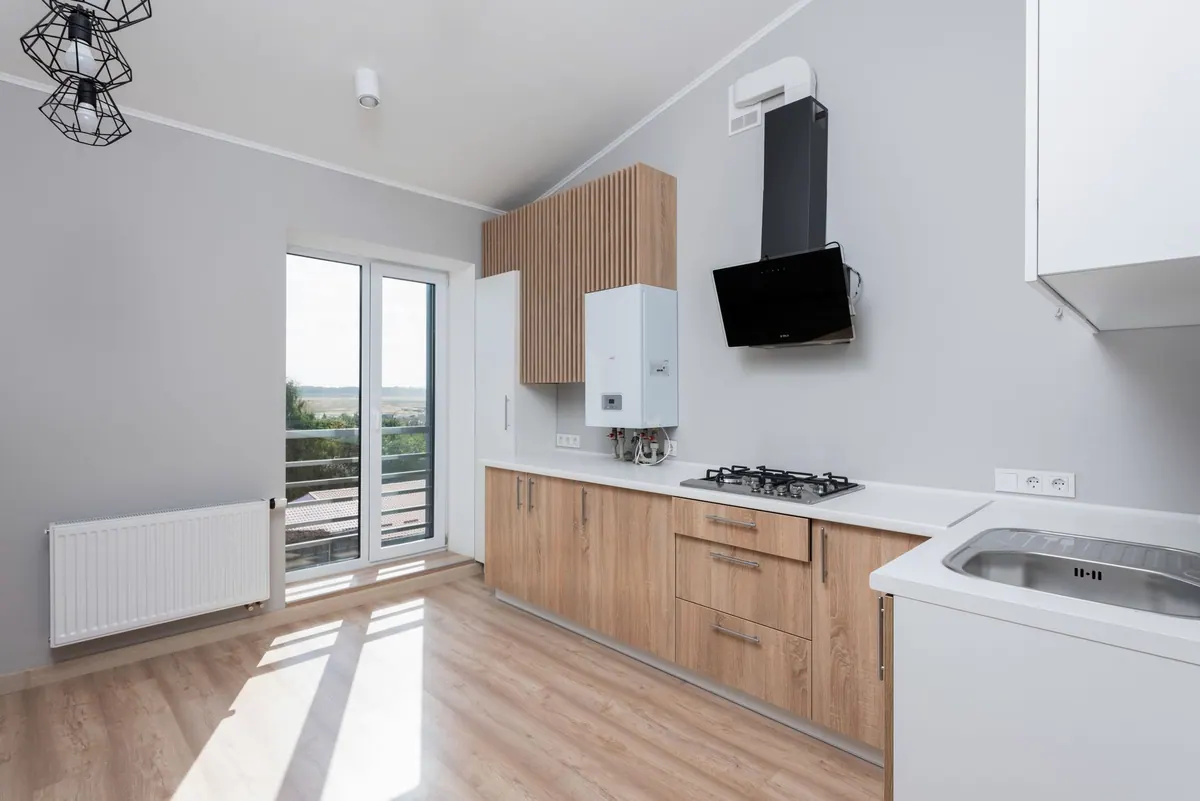
Cabinet refacing vs. full replacement.
The real differences in scope, disruption, and lifespan, and which one makes sense for the kitchen you have.
Read article ↗Read it, then call if the work is not a simple swap.
Repair guides, not sales pages
Most of these guides start with a call we took that week: a running toilet, a gutter that overflows at one corner, a window that fogs between the panes. We write down what we found, what it usually means, and when it is worth a visit.
They are not a substitute for a licensed repair. They are a way to understand the problem before you call, so the conversation starts in the right place.
Diagnose, then decide
Use the guide to identify the symptom and the likely cause. If the fix is a five-minute swap and you are comfortable doing it safely, do it. If it involves water, gas, a panel, or a structure, call.
Bring the guide with you to the visit if it helps. Point to the symptom and say, "this is what it is doing." That is faster than starting from scratch.
Why the Shore changes the answer
Salt air pits fasteners, summer humidity swells wood, and freeze-thaw opens masonry joints. A repair that lasts inland may fail here in two seasons. The guides call out the coastal detail when it changes the material or the schedule.
If a guide does not mention your town, the housing stock may still be similar. The principles usually travel; the material list may not.
The signs that should not wait
Water moving, a burning smell, a breaker that trips repeatedly, a ceiling that is sagging, or a sump pump that has stopped are calls, not research projects. Shut off what you can reach and call.
Everything else can wait for a scheduled look. The guide will help you describe it.
Written from the field
Every guide is written from job notes and reviewed by the trade that does the work. We do not publish a repair step we would not do ourselves, and we do not recommend a product we have not used on the Shore.
If a guide is wrong or out of date, tell us. We would rather correct it than leave a bad answer in the index.
What is coming next
Seasonal maintenance checklists, storm prep, permit basics, and the repair questions we hear most in Monmouth and Ocean County. If there is a topic you want covered, call or email and ask.
The index grows from real calls, not from a keyword list.
Before the next nor'easter
Clear the gutters and the downspouts, check the sump pit and the backup battery, and look at the flashing at the chimney and the skylights. Move anything loose off the deck. If a tree limb is over the roof, deal with it before the wind does.
After the storm, look for lifted shingles, water stains on the ceiling, and gutters pulling away from the fascia. Photograph what you find before anything is repaired; it helps with insurance and with the scope.
When the town needs to see the work
Structural changes, new circuits, plumbing changes, and replacements usually need a permit. Cosmetic repairs often do not. The rule varies by town, which is why we check before we start.
An unpermitted repair can surface at a sale or a claim. The permit is cheaper than the correction.
What to say when you call
Name the room, what it is doing, when it started, and what changed. "The ceiling under the upstairs bath stains after a shower" is more useful than "the ceiling is wet." If a stain only appears after rain, say that.
That one sentence often decides whether the next visit is plumbing or roofing, and it saves a diagnostic trip.
Who to call when it is not us
Gas leaks and downed power lines are utility calls, not handyman calls. Fire, smoke, and electrical hazards are 911 calls. A structural engineer is the right call for a foundation or load question that goes beyond a repair.
We will tell you when a job belongs to another trade or a licensed specialist. A short referral is better than a repair outside our lane.
How often the index changes
We add guides when a question keeps coming up on calls, and we revise them when a material or a local rule changes. The dates on each card show when it was published; a revision note goes on the article itself.
If a guide is out of date, tell us. Correcting it is faster than letting a bad answer sit in the index.
Tell us what is wrong. We will tell you what it takes.
(732) 333-7800- Call24 hours a day, 7 days a week
- Shop7 Brook Dr, Ocean Township, NJ 07712
- EmailInfo@wedoitallhandyman.com
- EstimateFree on-site look. Written scope before work starts.
Licensed & insured · NJ HIC # 13VH09886800
Free on-site look · No obligation