
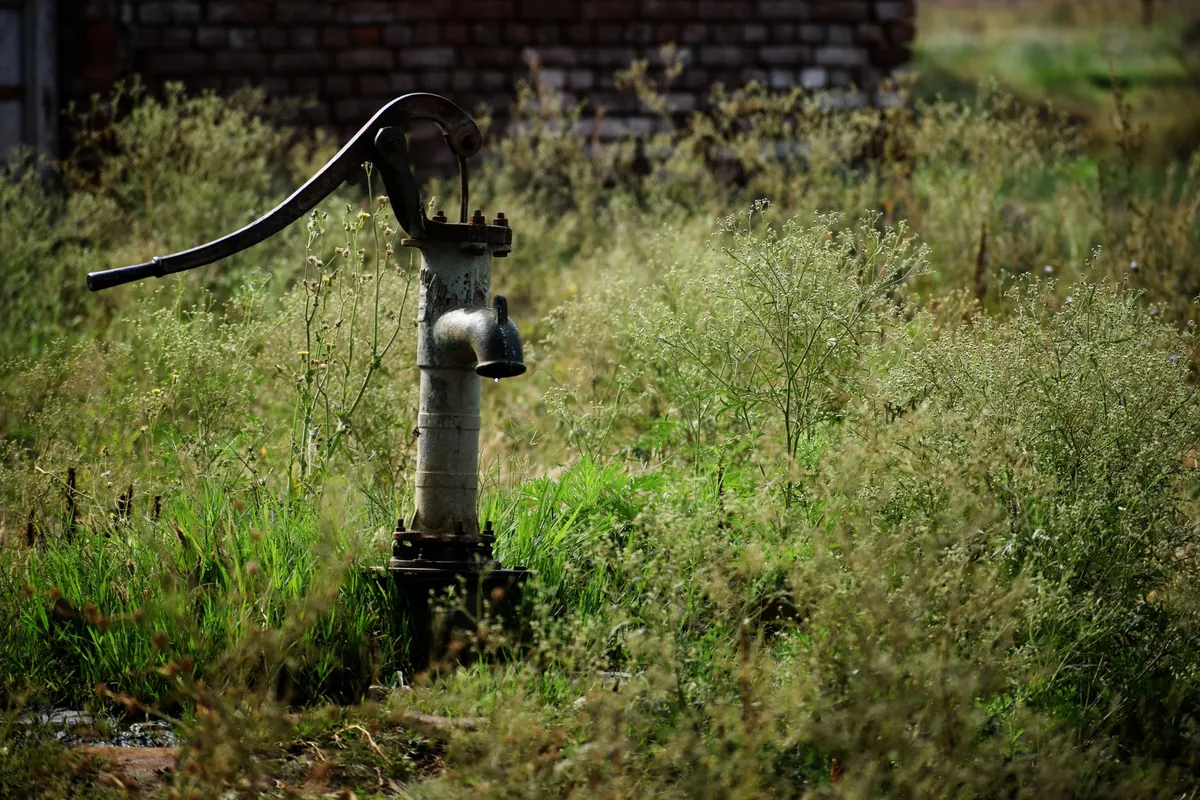
Sump Pump Replacement
A primary pump swapped in a working pit, with the float, the check valve, and the discharge tested. We do this across Monmouth and Ocean County from Ocean Township. Call and we come look before we write the scope.
- 5.0 on Google
- Licensed #13VH09886800
- Phone answered 24/7
Sump Pump Replacement, on one written scope.
A primary pump swapped in a working pit, with the float, the check valve, and the discharge tested.
What’s included on a sump pump replacement visit.
We inspect the cause, check what else it touched, and leave a written scope with materials and timing. The visit is free and there is no obligation to book the work.
What to know before the visit.
Have ready
Clear the floor around the pit so the lid and the discharge piping are reachable, and move anything stored against the basement wall. If the pit has water in it, leave it. Note whether the pump runs constantly, cycles every few seconds, or has stopped altogether, and write down when you last heard it. Three things get checked first: the float travel and pit depth, because a float that hits the lid never turns the pump on; the check valve for a stuck-open flapper or a missing weep hole; and the discharge line for a freeze split or a termination that dumps water back at the foundation.
- Test the pit intake
- Replace the pump and valve
- Test the float
- Run a full cycle
The visit
A sump pump replacement visit starts by naming the failure, not by selling the fix. We check what the problem touched, protect the floors and the rooms below, and leave a written scope. The work is done in one sequence by the same company, so the trade that caused the damage is the trade that closes it.
What fails first on the Shore is what we look at: salt-rotted fasteners, water finding the soft spot, and the 'quick fix' that never dealt with the cause. For sump pump replacement, the tell is usually visible on the first visit, and we say what it means in plain English.
Permit
Swapping a pump for a like-for-like unit in an existing pit is maintenance and normally does not require a permit in New Jersey, and there is no inspection for it. A permit question arises when the discharge has to be re-routed, a new circuit or outlet is added for the pump, or the pit itself is replaced or enlarged. If any of that is on the table, we say so before the visit and handle the paperwork first.
On the Shore
Salt air attacks the pump housing, the float rod, and the switch contacts, so a unit that would last years inland can fail early here. Humidity inside the pit keeps the motor windings damp between cycles. Freeze-thaw is the bigger problem: water left standing in an exterior discharge line splits it, and the next cycle dumps that water back at the foundation. We favor cast housings, sealed switches, and a discharge that drains fully. A frozen line is not a pump defect, so we look at the whole run.
When we leave
We fill the pit with a hose or buckets until the float trips and time how long the pit takes to empty. Then we watch the pump shut off cleanly, confirm the check valve holds water instead of letting it drain back, and run two more cycles back to back to make sure the switch resets. The lid goes back down with the wiring clear of the float. Care note: test the pump every few months by pouring water in, especially before a storm season.
Built with
A submersible pump sized to the pit volume and the head height is the core part, usually a cast-iron or stainless base unit with a sealed motor. The check valve is a spring or flapper type threaded onto the discharge, with a weep hole so the line drains. Discharge is rigid PVC or a reinforced flexible coupling, and the float switch is a tethered or vertical style matched to the pit. Stainless clamps hold the assembly.
How soon can we book this?
Call and we usually get an on-site look scheduled within a day or two, sooner for anything active. Sump Pump Replacement is booked from the same Ocean Township base.
Do you work weekends?
Yes. Saturday appointments are normal, and emergency repairs are answered 24/7.
Is this licensed work?
Licensed and insured, NJ HIC #13VH09886800. Where the town requires a permit, we pull it.
What if the job turns out bigger?
We stop and show you before we go any further, then quote the additional scope separately.
Will you clean up?
Floor protection, dust control, and haul-away are part of the visit, not an add-on.
Can you replace just the pump and keep the old valve?
Sometimes, if the valve still seals and the threads are clean. Most of the time the valve has scale or a tired flapper and we replace it while the line is open. Reusing a tired check valve is a common reason a new pump short-cycles.
Why does my pump run every few seconds?
That short cycling usually means water is draining back into the pit through the check valve, so the float trips again almost immediately. A stuck valve or a missing weep hole causes it. It can also be a float set too close to the pump base.
Do I need a bigger pump?
Only if the pit fills faster than the pump can empty it, or the discharge lifts water higher than the pump was sized for. We measure the pit and the rise before recommending anything. A larger pump in a small pit just cycles harder.
What happens if the power goes out during a storm?
The primary pump stops when the power does, so a basement can take on water quickly in a heavy rain. A battery backup or a second pump on a separate circuit is the usual answer. That is a separate scope from the replacement.
Other sump pumps jobs we handle
French Drains
A trench that gives hillside and downspout water somewhere to go besides your basement.
Battery Backup and Secondary Pumps
When the storm takes the power, a backup keeps the pit moving.
Pump Pit Installation and Repair
A new pit cut and lined, or a damaged one sealed to stop the gravel from entering.
Downspout and Grading
Downspouts ending at the corner of the house are a loop back into the basement.
Tell us what is wrong. We will tell you what it takes.
(732) 333-7800- Call24 hours a day, 7 days a week
- Shop7 Brook Dr, Ocean Township, NJ 07712
- EmailInfo@wedoitallhandyman.com
- EstimateFree on-site look. Written scope before work starts.
Licensed & insured · NJ HIC # 13VH09886800
Free on-site look · No obligation