
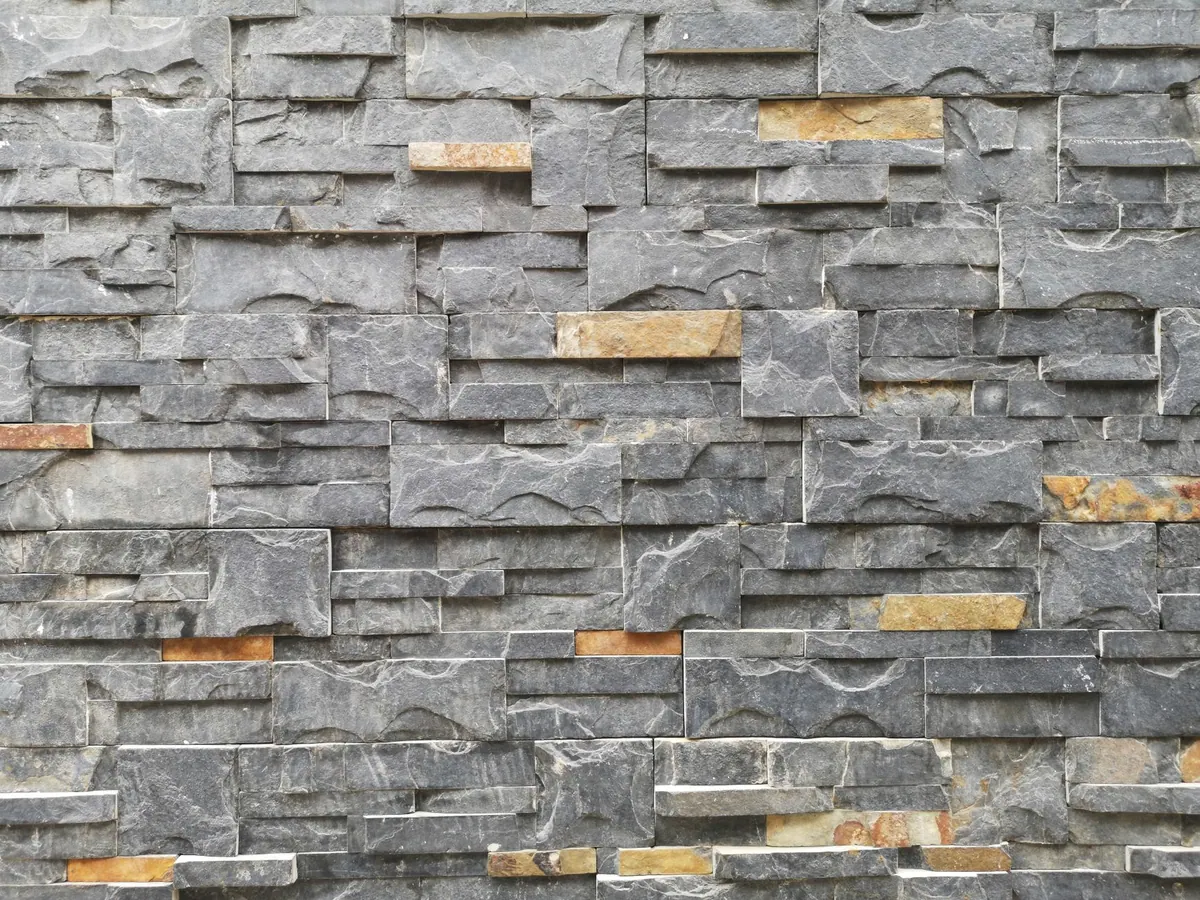
Stone Work
Stone veneer, garden walls, and the mortar details that keep it tight through a winter. We do this across Monmouth and Ocean County from Ocean Township. Call and we come look before we write the scope.
- 5.0 on Google
- Licensed #13VH09886800
- Phone answered 24/7
Stone Work, on one written scope.
Stone veneer, garden walls, and the mortar details that keep it tight through a winter.
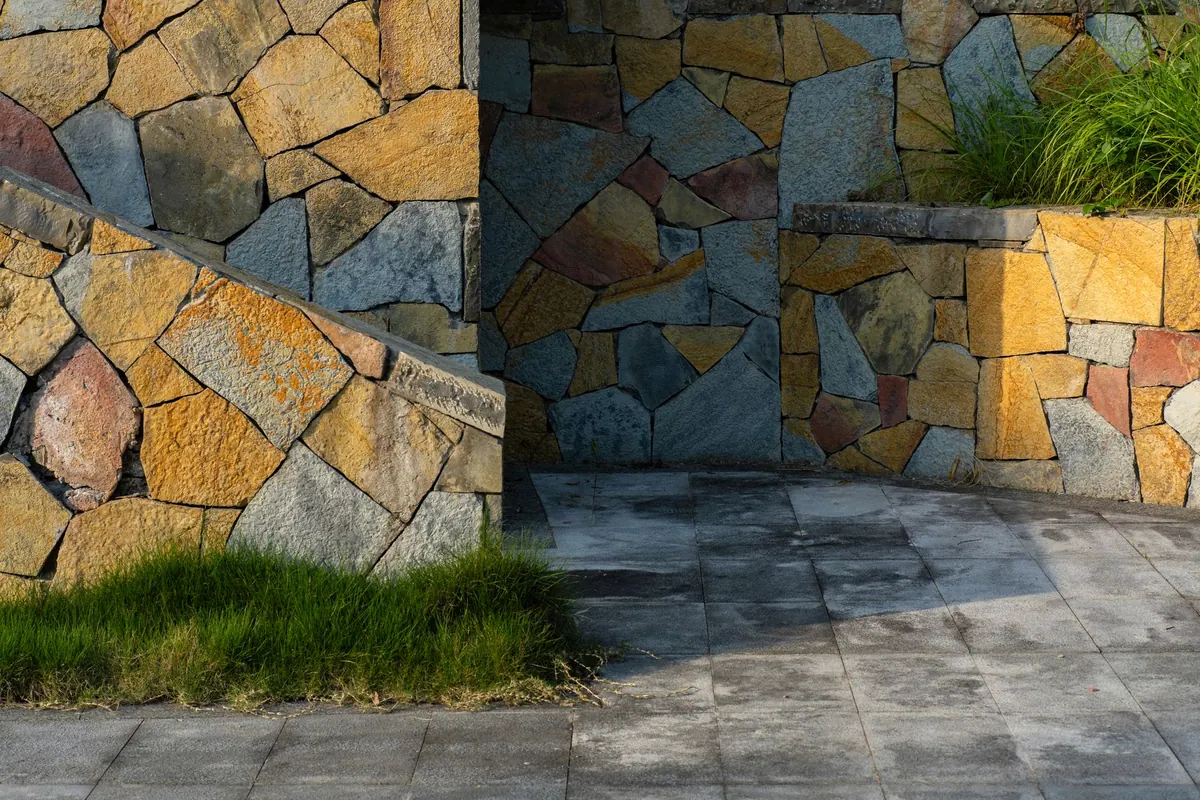
What’s included on a stone work visit.
We inspect the cause, check what else it touched, and leave a written scope with materials and timing. The visit is free and there is no obligation to book the work.
What to know before the visit.
Have ready
Clear the beds and the ground along the wall before the visit, and pull back any irrigation heads that spray the stone, because constant wetting is what feeds the white staining. The technician starts by sighting the wall for plumb and for any lean or bulge, since a moving wall is a different job from a cosmetic one. He checks the flashing and cap at the top, the drainage plane and weep openings behind the veneer, and whether the stone sits so low that splash-back is soaking the base.
- Match the stone
- Anchor and flash
- Lay and point
- Seal
The visit
A stone work visit starts by naming the failure, not by selling the fix. We check what the problem touched, protect the floors and the rooms below, and leave a written scope. The work is done in one sequence by the same company, so the trade that caused the damage is the trade that closes it.
What fails first on the Shore is what we look at: salt-rotted fasteners, water finding the soft spot, and the 'quick fix' that never dealt with the cause. For stone work, the tell is usually visible on the first visit, and we say what it means in plain English.
Permit
Stone veneer applied to an existing wall as a finish is normally not a permit item in New Jersey. A free-standing garden wall kept low, usually under about four feet, is generally treated as landscaping and does not need one. A retaining wall that holds back a slope or a driveway surcharge, or one close to a property line, often does require a permit and sometimes stamped plans. The line is drawn at what the wall holds back.
On the Shore
Salt fog settles on the stone and pulls moisture into the mortar and the porous face, and when that freezes, the surface flakes and the joints open. The real damage usually starts behind the stone, where water that gets past the face has nowhere to drain. That is why the details matter more than the stone itself: a drainage plane behind the veneer, clear weep openings at the base, and a cap that overhangs and pitches water off the top.
When we leave
Once the mortar takes its initial set, the technician checks the wall with a level for plumb and for level courses, then runs water at the top of the wall to confirm it exits at the weep openings instead of soaking the base. The cap is checked for pitch. The care note covers letting the mortar cure before washing the wall and keeping a pressure washer off the joints.
Built with
Veneer goes up over a drainage plane and metal lath with a scratch coat, set in Type S mortar, with corrosion-resistant ties anchoring it back to the framing. Full-bed stone sits on a concrete ledge or foundation. Weeps and a weep screed at the base let water out, and through-wall flashing at the top keeps it from getting in. A breathable sealer is used on porous stone, since a film-forming sealer traps moisture.
How soon can we book this?
Call and we usually get an on-site look scheduled within a day or two, sooner for anything active. Stone Work is booked from the same Ocean Township base.
Do you work weekends?
Yes. Saturday appointments are normal, and emergency repairs are answered 24/7.
Is this licensed work?
Licensed and insured, NJ HIC #13VH09886800. Where the town requires a permit, we pull it.
What if the job turns out bigger?
We stop and show you before we go any further, then quote the additional scope separately.
Will you clean up?
Floor protection, dust control, and haul-away are part of the visit, not an add-on.
Does stone veneer need a concrete footing?
A veneer on a wall rests on the foundation or a concrete ledge, and it needs that support at the bottom, not just lath. A free-standing garden wall sits on its own compacted base or footing. What is under the stone gets checked before the face work is quoted.
Can you put stone over our existing brick?
Yes, if the brick is sound and the wall can carry the weight, and if there is a way to drain water behind the new stone. A drainage plane and flashing at the base are not optional. Masonry that is spalling or holding water needs to be dealt with first.
Will the new stone match the old?
Natural stone varies by batch and by quarry run, so a repair section rarely matches the original exactly. Stone from the same family can be blended across the wall in size and tone so the difference reads as variation instead of a patch.
Should the stone be sealed?
On porous stone in salt air, a breathable sealer slows water absorption and makes cleaning easier, but it is not a cure for a wall that is not draining. Sealing a wall with trapped water behind it can make spalling worse. Drainage and flashing come first.
Other masonry jobs we handle
Concrete Installation and Repair
Pads, walks, and the trip edge at the garage.
Pavers
Walks and patios pitched away from the house, on a base that will not settle by spring.
Brick and Block Repair
Spalling brick, cracked block, and the joints that freeze open.
Concrete Slabs and Walks
Pads, walkways, and steps poured on a proper base and pitched away from the house.
Tell us what is wrong. We will tell you what it takes.
(732) 333-7800- Call24 hours a day, 7 days a week
- Shop7 Brook Dr, Ocean Township, NJ 07712
- EmailInfo@wedoitallhandyman.com
- EstimateFree on-site look. Written scope before work starts.
Licensed & insured · NJ HIC # 13VH09886800
Free on-site look · No obligation