
Roof Leak Detection and Flashing
Pipe boots, chimney counterflashing, and sidewall step flashing tested with water before anything is sold. We do this across Monmouth and Ocean County from Ocean Township. Call and we come look before we write the scope.
- 5.0 on Google
- Licensed #13VH09886800
- Phone answered 24/7
Roof Leak Detection and Flashing, on one written scope.
Pipe boots, chimney counterflashing, and sidewall step flashing tested with water before anything is sold.

What’s included on a roof leak detection and flashing visit.
We inspect the cause, check what else it touched, and leave a written scope with materials and timing. The visit is free and there is no obligation to book the work.
What to know before the visit.
Have ready
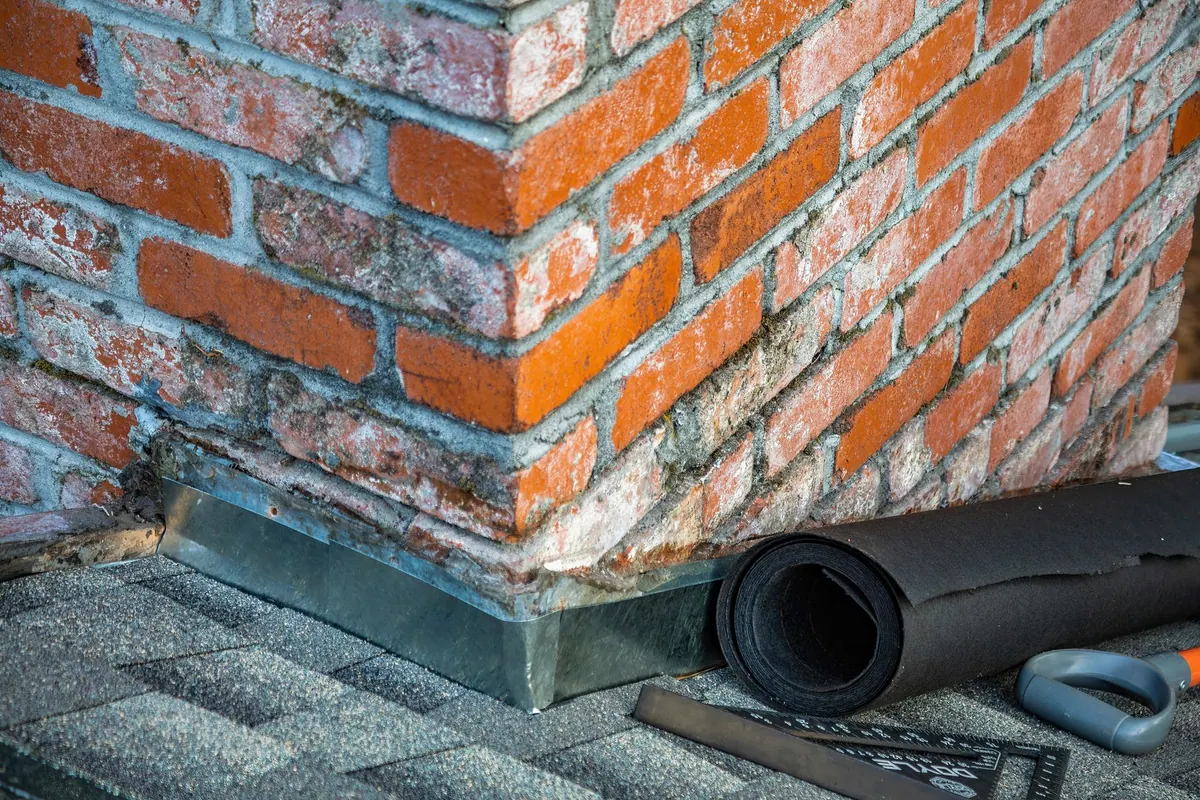
Have the attic open and a ladder that reaches it, and put a piece of tape at the edge of the ceiling stain so it can be watched during the test. Note when the leak shows up, because timing narrows the search more than anything else: steady rain, wind-driven rain, or snow melt. The technician checks the penetration above the stain first, then the flashing laps. Step flashing should be woven into the courses rather than nailed flat over them, counterflashing should sit in a reglet cut into the masonry, and the boot collar should be sound, not cracked at the top.
- Water test the penetration
- Inspect the flashing
- Correct the detail
- Photograph the repair
The visit
A roof leak detection and flashing visit starts by naming the failure, not by selling the fix. We check what the problem touched, protect the floors and the rooms below, and leave a written scope. The work is done in one sequence by the same company, so the trade that caused the damage is the trade that closes it.
What fails first on the Shore is what we look at: salt-rotted fasteners, water finding the soft spot, and the 'quick fix' that never dealt with the cause. For roof leak detection and flashing, the tell is usually visible on the first visit, and we say what it means in plain English.
Permit
Chasing and repairing a leak is not a permit job in most New Jersey towns, and a leak call should not turn into one. A permit generally enters the picture only if sheathing or framing has to be replaced, or if the covering comes off a large area with it. Work on the chimney above the roof line can fall under a separate trade. Ask the town if the repair turns structural. Otherwise the water test is the inspection.
On the Shore
Salt air pits aluminum flashing and eats the mill finish on galvanized, and once the surface chalks, caulk will not bond to it. The chimney is the worst of it: masonry holds moisture, freeze-thaw works the counterflashing loose out of the reglet, and a nor'easter drives water sideways under a lap that sheds straight rain without complaint. That is why surface caulk fails within a season here and properly lapped metal does not. Metal choice follows exposure, not preference.
When we leave
The repair is water tested before anything gets packed up, run slowly at the penetration long enough to show on the ceiling side and watched from the attic with a light. The chimney gets the same treatment at the counterflashing. Photos of the open detail and the closed detail go into the record. The care note is to watch the stain for a week, since old insulation and drywall hold water long after the leak has stopped.
Built with
Step flashing is bent from aluminum or copper, counterflashing from the same metal, and both lap rather than butt. Pipe boots are neoprene or silicone collars sized to the pipe, not a universal cone stretched over it. Sealant is a polyurethane or tripolymer caulk rated for masonry, used as a backstop rather than as the flashing. Copper lasts longest at the Shore; aluminum is fine where it stays clear of treated wood and mortar.
How soon can we book this?
Call and we usually get an on-site look scheduled within a day or two, sooner for anything active. Roof Leak Detection and Flashing is booked from the same Ocean Township base.
Do you work weekends?
Yes. Saturday appointments are normal, and emergency repairs are answered 24/7.
Is this licensed work?
Licensed and insured, NJ HIC #13VH09886800. Where the town requires a permit, we pull it.
What if the job turns out bigger?
We stop and show you before we go any further, then quote the additional scope separately.
Will you clean up?
Floor protection, dust control, and haul-away are part of the visit, not an add-on.
Can you find a leak without cutting into the ceiling?
Usually. Most leaks track from a penetration above and show up well away from it, so the search happens on the roof and in the attic, not through the drywall. Opening the ceiling is the last step, not the first.
My ceiling only stains in a hard wind-driven rain. Why?
That points to a lap that sheds falling rain but not water pushed sideways, most often a counterflashing or a step flashing edge. Tell the technician which direction the wind was blowing; it shortens the search.
Is a water test going to make the leak worse?
No. It runs at a slow rate in one controlled spot with someone in the attic watching. Finding the entry point on purpose is how you avoid opening the wrong part of the roof.
The last repair was caulked and the leak came back. Why?
The caulk sat on the surface while the flashing still lapped wrong underneath, so water found the same path once the caulk dried. The fix is the metal detail, with sealant as a backup to it.
Other roofing jobs we handle
Gutter Repair and Cleaning
Clean, re-pitch, and stop the waterfall at the corner.
Shingle Repair and Replacement
Lifted, missing, or storm-damaged tabs replaced and sealed, with the deck checked while it is open.
Soffit and Fascia Repair
The wood at the eave that the gutter pulls out of, replaced and ventilated.
Gutter Installation and Guards
Seamless or sectional gutters pitched to the downspout, with guards only after the pitch is right.
Tell us what is wrong. We will tell you what it takes.
(732) 333-7800- Call24 hours a day, 7 days a week
- Shop7 Brook Dr, Ocean Township, NJ 07712
- EmailInfo@wedoitallhandyman.com
- EstimateFree on-site look. Written scope before work starts.
Licensed & insured · NJ HIC # 13VH09886800
Free on-site look · No obligation