
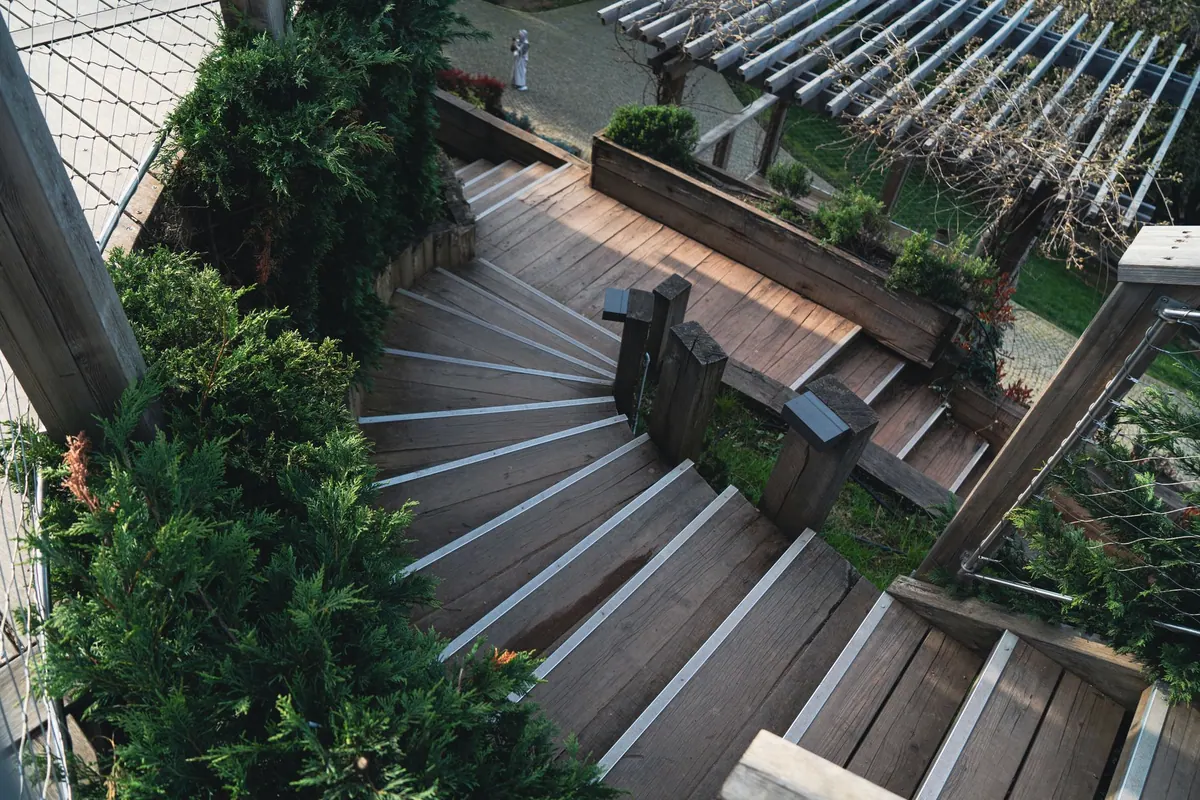
Deck Installation and Repair
New decks and the boards, rails, and ledgers that fail first on the Shore. We do this across Monmouth and Ocean County from Ocean Township. Call and we come look before we write the scope.
- 5.0 on Google
- Licensed #13VH09886800
- Phone answered 24/7
Deck Installation and Repair, on one written scope.
New decks and the boards, rails, and ledgers that fail first on the Shore.

What’s included on a deck installation and repair visit.
We inspect the cause, check what else it touched, and leave a written scope with materials and timing. The visit is free and there is no obligation to book the work.
What to know before the visit.
Have ready
Clear the deck and the ground under it so the framing and the ledger are visible, and tell us what the deck carries if it holds a hot tub or a heavy grill, because that changes the sizing. Note any soft spots or boards that move when you step on them. We check three things first: the ledger board against the house for rot and flashing, the footings and posts for movement or ground contact, and the joist and beam spans against the load they carry.
- Footings
- Ledger flashing
- Rails to code
- Board replacement
The visit
Footings go below frost. The ledger is flashed so the house wall stays dry, and the joists are sized for the span instead of copied from the deck that failed. Rails are built to the height and the opening a township inspector actually measures.
Board-only replacements are honest when the frame is solid. They are a waste when the ledger is soft, which is the usual find on a 15-year-old Ocean Township deck. We probe the ledger before we order a single board.
Permit
A new deck or a structural repair to one generally requires a permit and an inspection in New Jersey, and most towns inspect the footings before the pour and the framing before the decking goes down. Replacing deck boards over a sound, permitted frame normally does not require one. If the frame or the rail is being rebuilt, treat it as permitted work. We are clear about which of those your job is before we start.
On the Shore
Salt air is why Shore decks fail earlier than the same deck inland. Metal fasteners corrode first, then the wood around the corroded fastener rots, and the ledger against the house is where it shows up because it stays damp. Treated lumber helps, but a ledger without proper flashing wicks water into the rim. Composite boards resist rot and splintering, but the framing and the fasteners under them are still the parts that decide how long the deck lasts.
When we leave
Before we leave, the deck gets walked and loaded. We step every board for a soft spot or a loose fastener, check the rail for the height and the spacing of the balusters, and pull on the guard and the posts to confirm they are solid. Stairs get checked for a consistent rise and run and a secure handrail. Footing holes get backfilled, offcuts leave with us, and the yard is raked where we worked. Finishing schedules go on a note.
Built with
Framing is pressure-treated lumber sized to the span, with joist hangers and structural screws rated for exterior use, and stainless or coated fasteners because the salt air eats plain steel. The ledger gets a proper flashing detail and a spacer so it is not tight to the siding. Decking is composite or a naturally durable wood, gapped per the maker so it can move. Rails are built to the height and the baluster spacing an inspector measures, with posts anchored to the frame.
Composite or wood?
Composite if you do not want to stain it, with the gapping the maker wants so it can move. Wood if you want it, and we tell you it needs finish.
Do you pull the permit?
When the town requires one, yes. A deck on a house is not a gray area in most of Monmouth County.
Can you replace just the stairs?
Yes, if the landing they tie to is solid. New stairs onto a rotten rim are not a repair.
What about the beam against the ground?
We do not bury wood. Ground contact gets the right treatment and a gap you can see.
Will you match an existing rail?
We can get close. A code rail is taller than a lot of 1990s rails, and we will not build a short one on a new stair.
How do you leave the yard?
Offcuts leave with us. Holes for footings get backfilled. We do not leave a spoil pile against the siding.
Can you just replace the boards and keep the frame?
Sometimes, and it is honest when the frame is sound. The test is the ledger and the posts. We probe the ledger at the house and check the posts for ground contact. New boards over a soft frame just hide a failing deck.
Does a low deck need footings below frost?
A deck attached to the house generally does, because frost heave moves the posts and racks the frame. A ground-level platform is a different build, but it still needs a base that drains. Footings get sized for the deck and the soil.
What is the right gap between deck boards?
It depends on the board. Wood needs enough gap to dry and shed, and composite needs the gapping the maker specifies so it can expand in summer without buckling. We set the gap consistently, because a deck with random gaps looks wrong and holds water in the tight spots.
Why does my rail feel loose?
Usually the post is anchored with the wrong fastener or the wood around it has rotted. A guard rail is a safety component, so we open it and inspect the connection rather than snugging the visible bolt.
Other carpentry jobs we handle
Cabinets
Install, adjust, and refacing-level repairs for kitchens that stick and doors that will not close.
Countertops
Set a new top, scribe the splash, and reconnect the sink.
Curtain and Picture Hanging
The small job. Anchors in the stud when the art is heavy, plaster anchors when it is not.
Door and Window Installation
Prehung doors, sliders, and the rot under the sill.
Tell us what is wrong. We will tell you what it takes.
(732) 333-7800- Call24 hours a day, 7 days a week
- Shop7 Brook Dr, Ocean Township, NJ 07712
- EmailInfo@wedoitallhandyman.com
- EstimateFree on-site look. Written scope before work starts.
Licensed & insured · NJ HIC # 13VH09886800
Free on-site look · No obligation