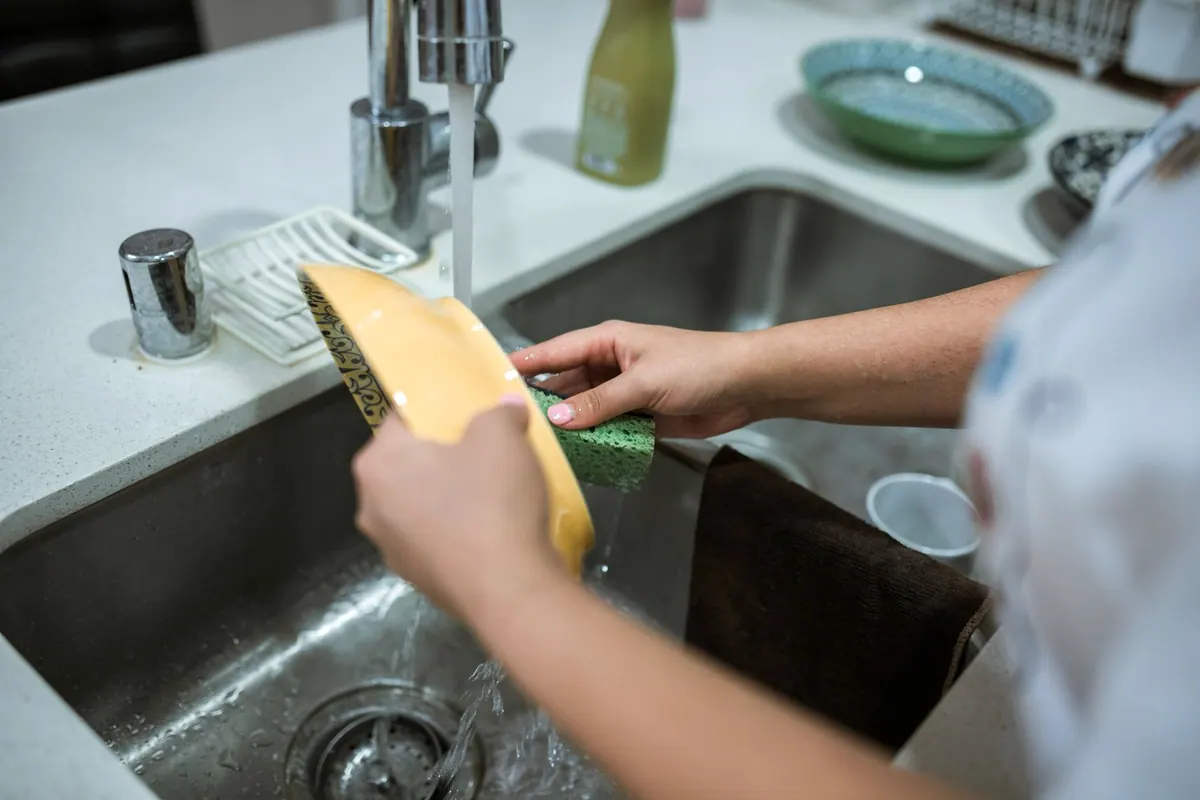
Clogged Drains
Kitchen, bath, and laundry drains. We cable the line before anyone talks about digging. We do this across Monmouth and Ocean County from Ocean Township. Call and we come look before we write the scope.
- 5.0 on Google
- Licensed #13VH09886800
- Phone answered 24/7
Clogged Drains, on one written scope.
Kitchen, bath, and laundry drains. We cable the line before anyone talks about digging.
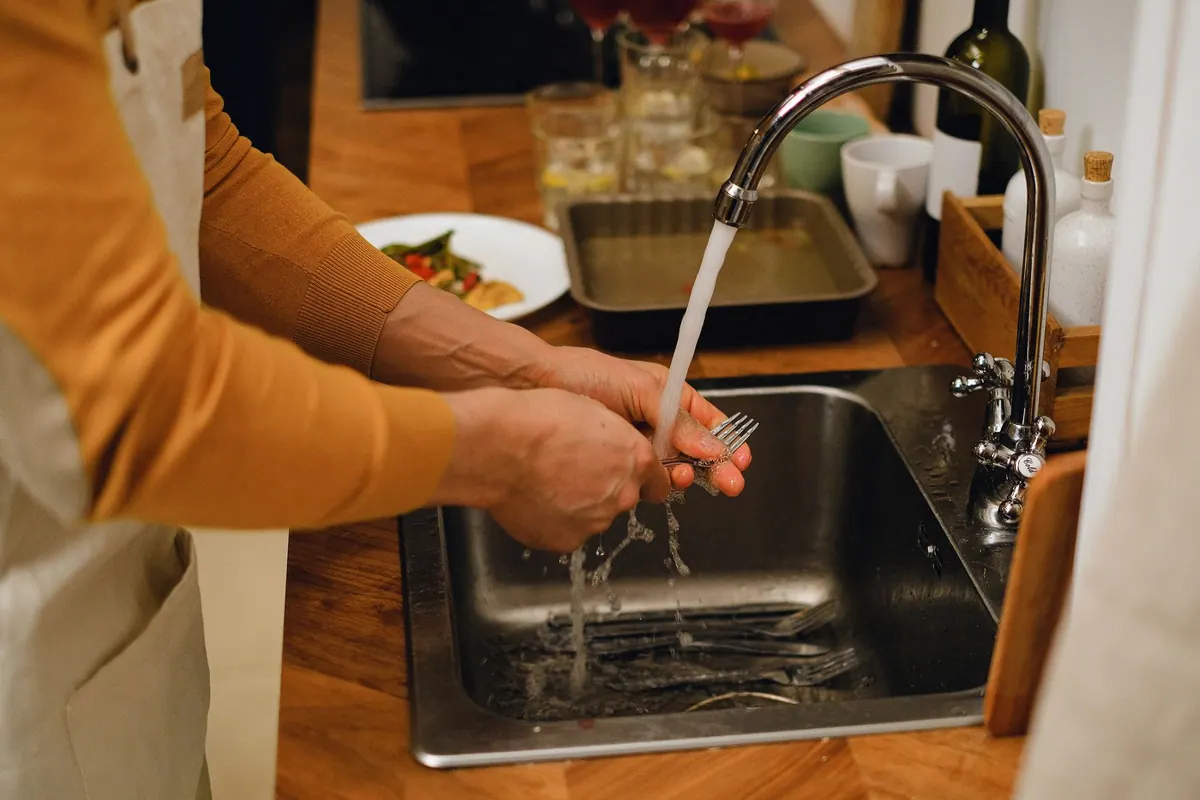
What’s included on a clogged drains visit.
We inspect the cause, check what else it touched, and leave a written scope with materials and timing. The visit is free and there is no obligation to book the work.
What to know before the visit.
Have ready
Tell us which fixtures back up and in what order they do it, because a sink that backs up alone is a different problem from a tub that gurgles when the washer drains. Clear the area under the sink and move anything breakable off the floor around the cleanout. We check three things first: whether the fixture traps are accessible, whether the house has a cleanout, and whether the backup is a single fixture or the whole branch. That decides the tool we bring in.
- Sink and tub clogs
- Toilet backups
- Camera when the cable will not pass
- Cleanout access
The visit
A kitchen clog gets a look at the trap and the disposal knockout before a cable. A tub that backs up when the washer runs is a main or a branch past the trap, and we cable from a cleanout if the house has one. Toilets that just need a closet auger do not get a big machine.
The repeat clog in older Ocean Township houses is a belly in the cast iron under the slab, or roots at the township lateral. If the cable punches through and the clog returns in a week, the next step is a camera, not another bottle of chemical.
Permit
Clearing a clog in an existing drain normally requires no permit in New Jersey. If the cable finds a broken or bellied section that has to be cut out and replaced, or a new cleanout is added, that is a plumbing repair and most towns want a permit and an inspection on the new work. We are straight about which one you have before the repair begins, and we do not sell a dig when a cable will do.
On the Shore
Older drain lines here are often cast iron or clay, and the ground movement and the salt in the soil work on them. A cast iron line under a slab pits and scales on the inside, so the usable diameter shrinks and grease catches on the rough surface. Tree roots find the joints in a clay lateral and grow into them. That is why a clog that comes back within a season is usually a line problem, not a habit problem.
When we leave
Once the line is open, we prove it. We run hot water at the fixture and check the flow coming back, run the fixtures on the same branch at the same time to confirm nothing backs up together, and look at the joints and the cleanout cap for a weep before we close up. The trap goes back with new slip washers and a fresh gasket, not the old ones. We note what the cable brought back so you know what the line is made of.
Built with
The work is mostly tooling and consumables: a hand snake for a trap or a closet auger for a toilet, a drum or sectional cable machine for a branch or a main, and a camera when the cable will not hold. New slip washers, a fresh trap gasket, and a cleanout cap with a proper plug seal go back on. We do not leave a chemical drain opener in the line, because it sits in the trap and burns the next person who opens it.
Do you use chemical drain opener?
No. It sits in the trap and burns the next person who opens it. We cable or pull the trap.
Can you clear a main from the roof vent?
Sometimes. A cleanout is safer and tells us more. We use the access the house actually has.
What if there is no cleanout?
We pull a toilet or open a trap, and we talk about adding a cleanout so the next clog is not a demolition.
Do you camera the line?
When the cable will not hold or the clog returns. The video is what decides between a spot repair and a bigger job.
Will you put the trap back with the old washers?
No. New slip washers. The old ones are why it drips after a service call.
A toilet that overflows once — is that the main?
Not always. A toy or a wad at the bowl is a closet auger. If the tub gurgles at the same time, it is further down the line.
The clog keeps coming back. What is different this time?
A repeat clog usually means the line is damaged or has a belly holding water and debris. We cable it open, then run a camera if it returns or if the cable will not hold. Seeing the pipe is what decides between cleaning it again and repairing a section.
Can you clear the main without digging up the floor?
Often, yes. Most houses have a cleanout or an accessible trap, and we work from there. If there is no cleanout, we can pull a toilet or open a trap, and we may suggest adding a cleanout so the next clog does not become a demolition.
Is a chemical opener ever the right call?
We do not use one. It rarely clears a full blockage, it sits in the trap, and it is dangerous to the next person who opens the fitting. Mechanical clearing with a cable or by pulling the trap is what actually removes the blockage.
Will cabling damage my old pipes?
A cable correctly sized to the line cleans the wall without cutting into it. The damage in old cast iron and clay is usually already there, which is why the line clogged. If the cable finds a break, we show you.
Other plumbing jobs we handle
Bathroom Remodeling
Baths from a new vanity and toilet up through tile, fan, and a shower that does not leak.
Faucets Install and Replace
Kitchen and bath faucets, including the shutoffs that have not moved in twenty years.
Garbage Disposals
Swap a seized disposal and reset the dishwasher tailpiece.
Shower and Tub
Valves, traps, and surrounds that do not leak into the ceiling below.
Tell us what is wrong. We will tell you what it takes.
(732) 333-7800- Call24 hours a day, 7 days a week
- Shop7 Brook Dr, Ocean Township, NJ 07712
- EmailInfo@wedoitallhandyman.com
- EstimateFree on-site look. Written scope before work starts.
Licensed & insured · NJ HIC # 13VH09886800
Free on-site look · No obligation