
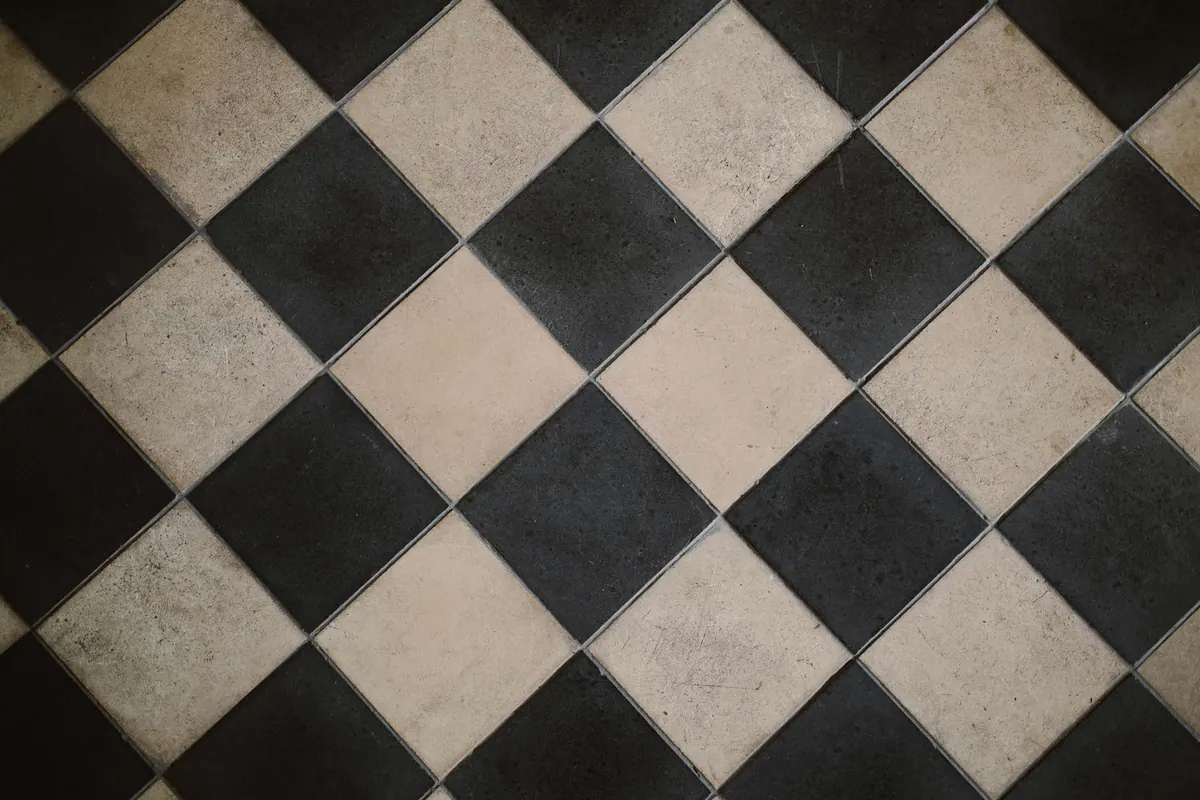
Ceramic Tile
Floors, showers, and niches. Large format only goes down on a flat floor. We do this across Monmouth and Ocean County from Ocean Township. Call and we come look before we write the scope.
- 5.0 on Google
- Licensed #13VH09886800
- Phone answered 24/7
Ceramic Tile, on one written scope.
Floors, showers, and niches. Large format only goes down on a flat floor.
What’s included on a ceramic tile visit.
We inspect the cause, check what else it touched, and leave a written scope with materials and timing. The visit is free and there is no obligation to book the work.
What to know before the visit.
Have ready
Clear the room and tell us what the floor is over, because a slab, a wood subframe, and a second-floor joist system each need a different build-up. If you have the tile on site, leave it in the room so it can acclimate and so we can check the caliber and the shade. We check three things before the first tile is set: the deflection of the floor with a straightedge and a level, the flatness across the largest tile going down, and whether a wet area has a drain with the right slope.
- Subfloor check
- Layout
- Waterproofing in wet areas
- Grout and movement joints
The visit
Wet areas get a waterproofing layer, not just thinset on green board. Shower floors get a slope to the drain that we check with a level before the tile hides it. Movement joints at the perimeter stay open for caulk.
Large-format tile on a Monmouth County ranch floor lips because the subfloor waves more than the tile can forgive. We flatten first. Skipping that is how you feel every grout line with bare feet.
Permit
Setting tile over an existing substrate that stays as it is normally requires no permit in New Jersey. A permit applies when the scope includes new plumbing, a moved drain, a new circuit for floor heat, or structural work to stiffen the floor. A shower pan replacement usually falls under a plumbing permit in most towns because the drain and the liner are part of the wet system. We sort that out before demolition.
On the Shore
Tile here fails at the joints and the bond, not the glaze. Shore humidity and the seasonal swing move a wood subfloor enough that a stiff mortar over a flexible floor cracks along the grout lines. In wet areas, the moisture that gets behind the tile has to have somewhere to go, so the waterproofing and the slope matter more than the tile pattern. A floor that gets cold and damp also needs a substrate rated for it.
When we leave
Before we leave, the floor gets looked at and listened to. We tap the field for hollow spots, check the grout lines for a consistent width and no voids at the changes of plane, and confirm the shower pan holds a slope to the drain with a level. Movement joints at the perimeter are checked to be open and filled with a flexible sealant rather than grout. Then the cure schedule applies, and we leave it in writing: no heavy traffic until the thinset and the grout have set.
Built with
The build-up is the material story. A cement backer board or a foam board for wet walls, a bonded waterproofing membrane at the seams and the pan, and a modified thinset rated for the tile size. Large-format tile needs a tilting trowel and full coverage, not a five-dot pattern. Grout is sanded or unsanded to match the joint, and every change of plane takes a flexible sealant. Floor heat sits on a flat substrate with the sensor located and recorded.
Do you tile a shower pan?
Yes, over a proper liner or a bonded waterproofing system, sloped to the drain. A flat pan holds water.
Can you tile over existing tile?
Only if it is solid, flat, and we can get a bond. Hollow tile gets removed.
What spacers and joint size?
The size the tile was made for. Forcing a hairline joint on a wavy edge chips the glaze.
Do you set niches?
Yes, waterproofed, with the shelf sloped a hair so bottles do not sit in a puddle.
How do you handle a floor heat mat?
The mat goes on a flat substrate, tested before tile, and the sensor location gets written down so the next person can find it.
When can we walk on it?
After the thinset cure the maker specifies, then grout, then another wait. We do not grout the same afternoon on a cold slab.
Can large tile go on my second-floor bath floor?
It depends on the joist span and the subfloor thickness. Large tile needs a floor that does not flex, so we may need to add a layer of plywood or an uncoupling membrane. We check deflection before the tile is ordered rather than after the first crack appears.
Do you put anything under a shower floor tile?
Yes. The pan gets a sloped base, a waterproofing layer tied into the drain flange, and tile over that. We check the slope with a level before the tile hides it. A liner that stops short of the drain is a leak.
Will you set tile over the floor heat mat?
Yes, with the mat on a flat, sound substrate and the sensor tested and its location recorded before the tile goes down. We photograph the layout so a future repair can find the wire. Setting tile directly over a lumpy mat leaves hollow spots and cracks the grout.
Do you use spacers or just eyeball the joints?
Spacers or a leveling system, sized to what the tile was made for. A rectified tile can take a tight joint; a pressed tile cannot without lippage. We hold one joint width across the room and at the walls.
Other flooring jobs we handle
Backsplashes
Tile backsplashes set on a flat wall, with outlets cut so the plates sit flush.
Caulking and Grouting
Failed grout and dried-out caulk are how showers leak into the ceiling below.
Hardwood Installation and Refinishing
Solid and engineered hardwood laid flat, and existing floors sanded and refinished.
Luxury Vinyl Plank Installation
Waterproof plank set on a flat, clean substrate for kitchens, baths, and basements.
Tell us what is wrong. We will tell you what it takes.
(732) 333-7800- Call24 hours a day, 7 days a week
- Shop7 Brook Dr, Ocean Township, NJ 07712
- EmailInfo@wedoitallhandyman.com
- EstimateFree on-site look. Written scope before work starts.
Licensed & insured · NJ HIC # 13VH09886800
Free on-site look · No obligation